

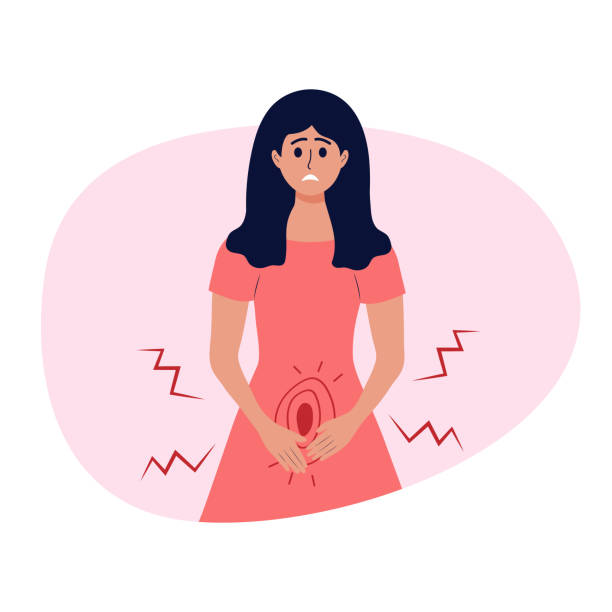
Urinary tract infections (UTIs) are among the most frequent infections affecting women. Nearly half of all women experience at least one UTI in their lifetime, and many face recurrent episodes. Understanding why UTIs are more common in women helps with early recognition, prevention, and timely treatment.
What Is a UTI?
A urinary tract infection occurs when bacteria—most commonly Escherichia coli from the bowel—enter and multiply within the urinary tract. This may involve the bladder (cystitis), urethra (urethritis), or kidneys (pyelonephritis).
Why Are UTIs More Common in Women?
1. Shorter Urethra
Women have a much shorter urethra than men. This allows bacteria to reach the bladder more easily and quickly, increasing infection risk.
2. Proximity to the Anal Opening
The female urethral opening lies close to the anus, making it easier for gut bacteria to contaminate the urinary tract, especially with improper hygiene.
3. Sexual Activity
Sexual intercourse can introduce bacteria into the urethra. “Honeymoon cystitis” is a well-known phenomenon where UTIs follow frequent or recent sexual activity.
4. Hormonal Changes
- Pregnancy: Hormonal effects and pressure from the uterus slow urine flow, promoting bacterial growth.
- Menopause: Reduced estrogen levels thin the vaginal and urethral lining and alter protective vaginal flora, increasing susceptibility.
5. Use of Certain Contraceptives
Diaphragms and spermicides can disrupt normal vaginal bacteria, encouraging growth of UTI-causing organisms.
6. Incomplete Bladder Emptying
Conditions such as pelvic organ prolapse, constipation, or nerve-related bladder problems can leave residual urine, creating a breeding ground for bacteria.
Common Symptoms of UTIs in Women
- Burning or pain during urination
- Frequent urge to urinate with little output
- Cloudy, foul-smelling, or bloody urine
- Lower abdominal discomfort
- Fever or back pain (suggesting kidney involvement)
Why Recurrent UTIs Matter
Repeated infections can significantly affect quality of life and, if untreated, may lead to kidney damage or complications during pregnancy. Recurrent UTIs often indicate underlying risk factors that need evaluation.
Prevention Tips for Women
- Drink adequate fluids to flush bacteria
- Do not delay urination; empty the bladder fully
- Maintain front-to-back perineal hygiene
- Urinate after sexual intercourse
- Avoid unnecessary use of vaginal douches or harsh cleansers
- Seek medical advice for recurrent infections rather than repeated self-medication
When to See a Doctor
Consult a healthcare professional if symptoms persist beyond 24–48 hours, recur frequently, or are associated with fever, flank pain, pregnancy, or diabetes. Proper urine testing and targeted treatment are essential.
Takeaway
UTIs are more common in women due to anatomical, hormonal, and lifestyle-related factors. Awareness, preventive measures, and early treatment can greatly reduce discomfort and long-term complications. If UTIs are recurrent, a structured evaluation helps identify correctable causes and ensures lasting relief.
Great content! Keep up the good work!